Septic Tanks

Advocating for sewer connections and stronger septic regulations to prevent pollution from entering canals and Biscayne Bay.

In Miami-Dade County, where our sparkling beaches and pristine waterways define our community, managing wastewater responsibly is crucial. Here, we’ll explore the role and impact of septic tanks—a vital yet often overlooked component of our wastewater infrastructure.

What Are Septic Tanks?

Septic tanks are underground wastewater treatment systems used in areas not connected to centralized sewer systems. They consist of:

  • A Septic Tank: A large, watertight container that collects and separates solid waste from liquids.
  • A Drainfield: Where treated effluent is dispersed into the soil.
  • A Soil Absorption System: Filters and further treats the wastewater.

When wastewater enters a septic tank, solid waste settles to the bottom, forming sludge. Oils, grease, and lighter materials float to the top, creating scum. The remaining liquid, called effluent, flows out into the drainfield, where it is naturally filtered through the soil.

Why Proper Maintenance Matters

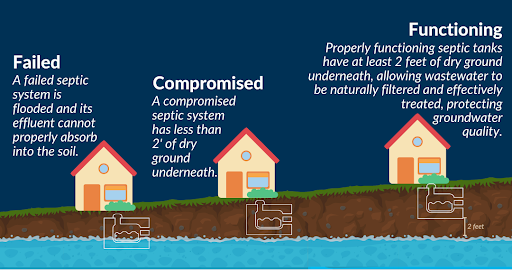
To ensure optimal performance, septic tanks need at least two feet of dry ground underneath for effective wastewater treatment. Regular maintenance, including pumping out sludge and monitoring ground conditions, is essential for the system’s longevity and environmental protection.

Not sure if you have a septic tank on your property? It is easy to find out! Click here to view a map of septic tanks in your community. Need help using the map? Click here.

What does septic pollution impact?

Resilience Challenges

  • Rising Groundwater: Increased groundwater levels from sea level rise and heavy rainfall can compromise septic systems, reducing their effectiveness and increasing the risk of failure and contamination.
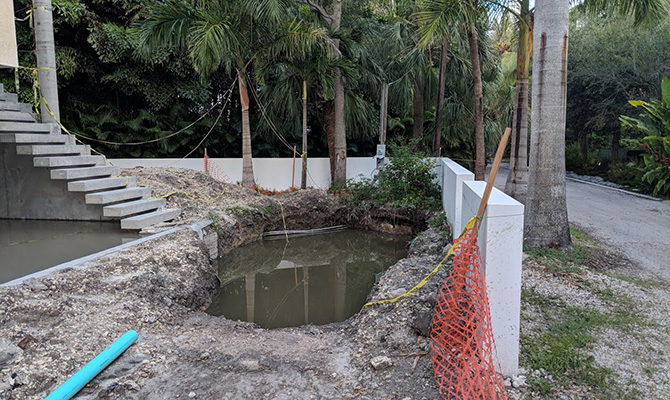
  • Flooding: Floodwaters can overflow septic systems, spreading contamination and posing significant risks to public health and the environment.

How can you protect yourself and the community from septic pollution?

  1. Regularly inspect and pump your septic system every 3-5 years to remove solids and prevent clogs in the drainfield.
  2. Practice water conservation by fixing leaks, using water-efficient appliances, and spacing out water usage.
  3. Use septic-safe toilet paper and avoid flushing non-biodegradable items, fats, oils, and chemicals. Prevent clogs and contamination by proper waste disposal.
  4. Avoid driving, parking, or planting near your septic system. Prevent pipe damage and soil compaction that can affect drainfield operation and system health.

Share this campaign

Healthy coral reefs protect our shores, support marine life, and keep our waters thriving.

Explore Related Work

PUBLISHED WORK

in the press

News, science, and stories from the front lines of South Florida’s water.

View all

NOAA Says Port Miami Dredge Disaster For Reef

NOAA Says Port Miami Dredge Disaster For Reef

In a project all but finished, the Army Corps of Engineers has dredged the channels at and leading to Port Miami for nearly two years, but another U.S. government agency says the Corps wreaked environmental havoc in the process. Read full article here.

Read more
PortMiami dredge damages more coral than feds expected

PortMiami dredge damages more coral than feds expected

Jenny Staletovich for the Miami Herald writes: Deepening Port Miami to make way for bigger ships has caused far more damage to rare coral at the bottom of Biscayne Bay than federal wildlife managers originally calculated. Read full article here.

Read more
Yuck! Your Favorite Swim Spot Is a Lot Grosser Than You Realize

Yuck! Your Favorite Swim Spot Is a Lot Grosser Than You Realize

Water is supposed to purify: Taking a shower, washing your face, and staying properly hydrated promote good hygiene and health. But sometimes water is the one that gets dirty. That’s why since 1972, when The Clean Water Act was passed, the U.S. Environmental Protection Agency (EPA) has regulated both water pollution and quality standards in an attempt to keep

Read more

Support our work

We’re committed to transparency, accountability, and maximizing the impact of every dollar entrusted to us. Be part of the change and donate today!
Florida Solicitation of Contributions Registration #CH46021 A copy of the official registration and financial information for Biscayne Bay Waterkeeper (aka Miami Waterkeeper), a Florida-based nonprofit organization, may be obtained from the Division of Consumer Services by calling toll-free 1-800-HELP-FLA (435-7352) within the state or visiting www.800HELPFLA.com. Registration does not imply endorsement, approval, or recommendation by the state.

Social Feed

@miamiwaterkeeper