
NOVEL RESEARCH
We fill critical knowledge gaps, producing science that informs policy and protects South Florida’s waterways, ecosystems, and communities.
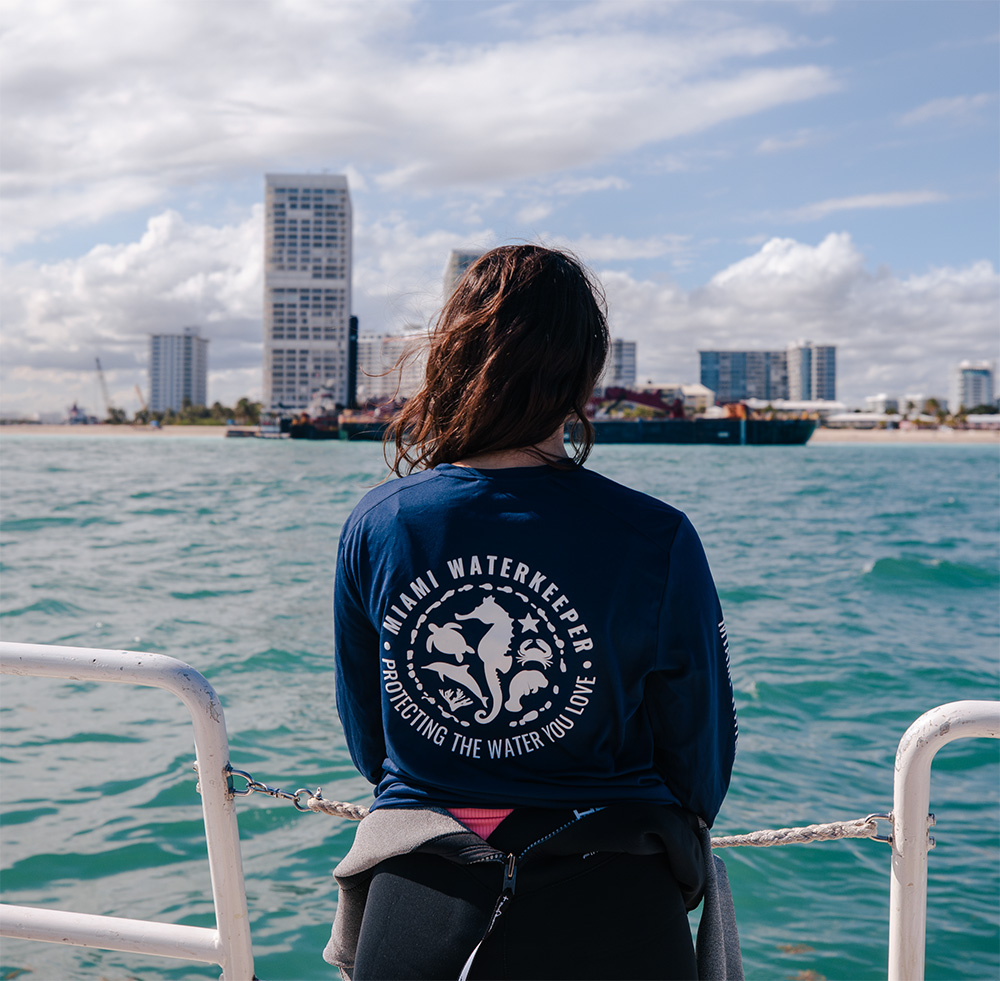
Why It Matters
Our research connects science to action—helping policymakers, communities, and advocates make informed decisions that protect water quality, ecosystems, and public health.
Published Work
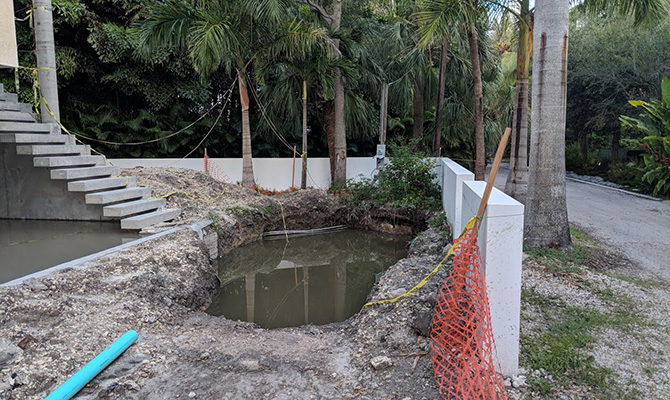
Septic Return Flow Pathlines, Endpoints, and Flows Based on the Urban Miami-Dade Groundwater Model
August 07, 2024
Examined how septic return flows move through Miami-Dade’s shallow groundwater. Findings highlight pathways of contamination and inform water quality policy.
View Study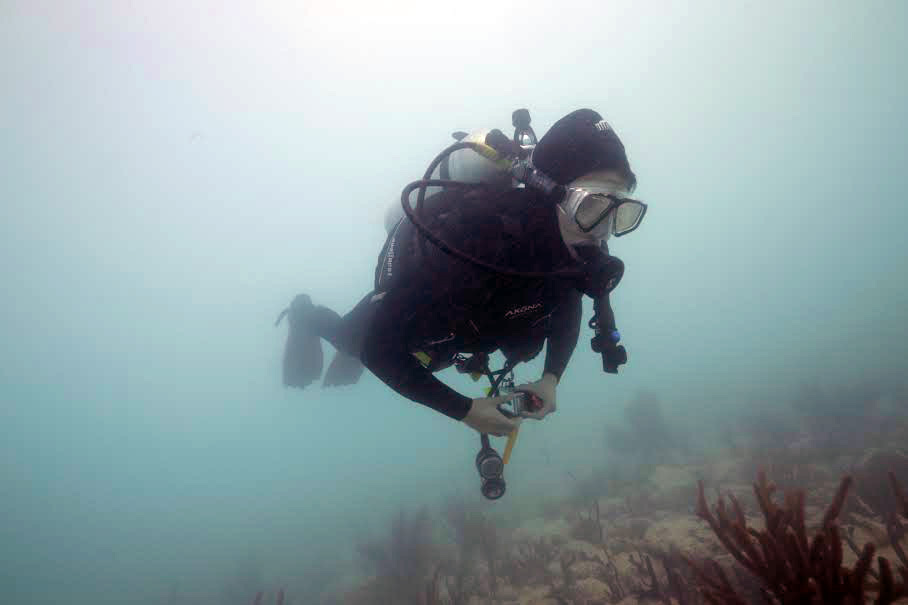
Extensive coral mortality and critical habitat loss following dredging and their association with remotely-sensed sediment plumes.
May 24, 2019
Documented coral reef damage from dredging and sediment plumes near PortMiami. Provides evidence for ecosystem protection.
View Study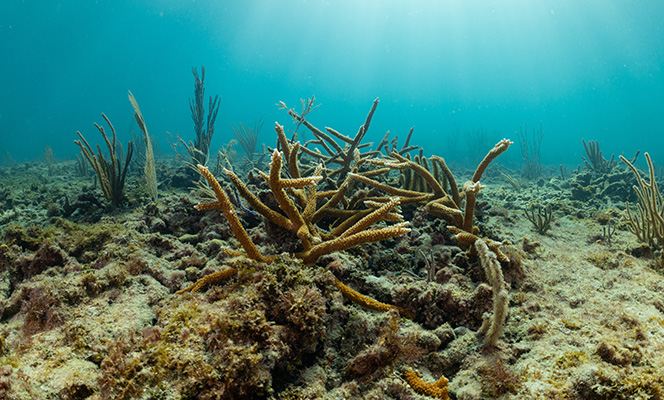
Symbiont shuffling linked to differential photochemical dynamics of Symbiodinium in three Caribbean reef corals.
November 11, 2017
Explored coral symbiont changes under heat stress, showing mechanisms of resilience and informing climate adaptation strategies. This paper won Best Paper of the Year in the Journal Coral Reefs.
View Study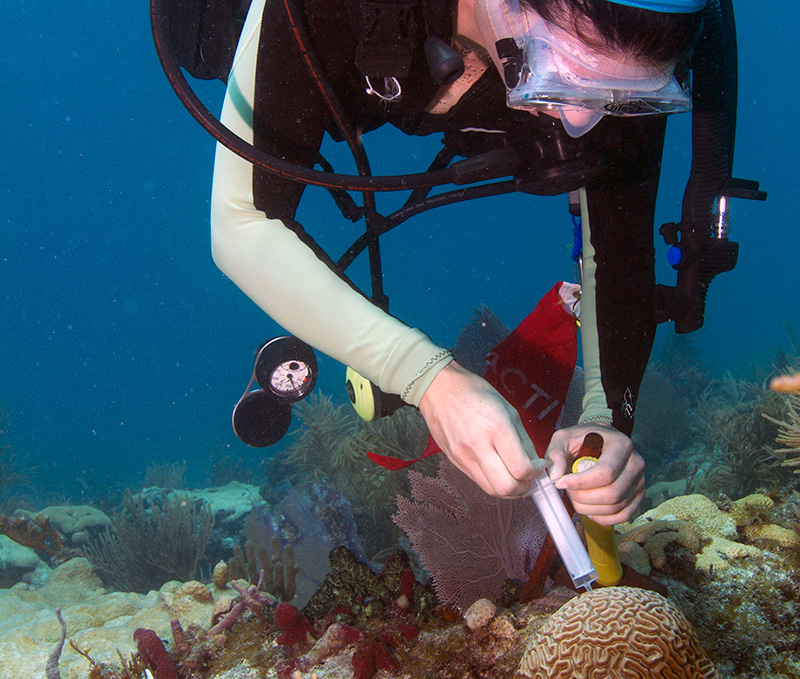
Tenacious D: Symbiodinium in clade D remain in reef corals at both high and low temperature extremes despite impairment.
April 01, 2017
Studied coral symbionts in extreme temperatures. Shows certain symbionts persist despite stress, helping us understand coral resilience to climate change.
View Study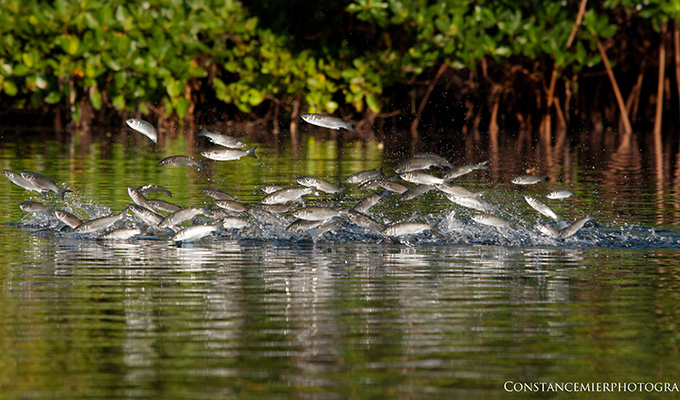
Further action on bycatch could boost United States fisheries performance.
June 2015
Analyzed bycatch in U.S. fisheries and found targeted actions could improve sustainability, supporting both fish populations and local economies.
View Study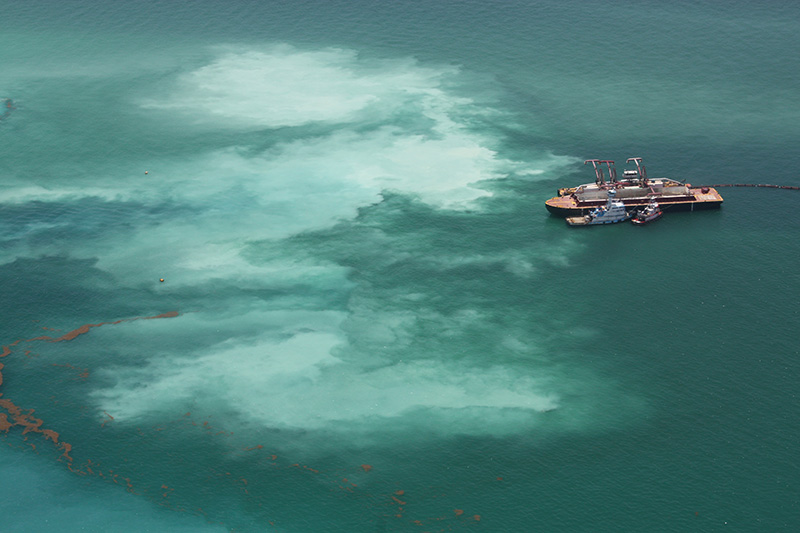
Sediment plumes induced by the Port of Miami dredging: Analysis and interpretation using Landsat and MODIS data.
October 09, 2015
Tracked sediment plumes from dredging operations using satellite data. Findings inform coastal management and protection for nearby coral reefs.
View Study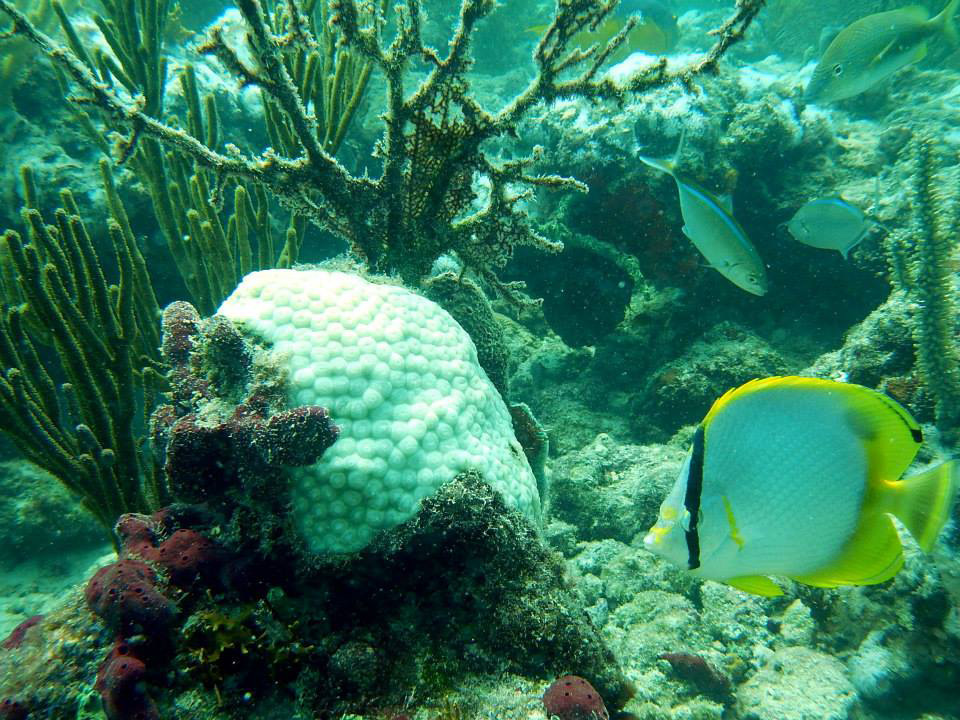
Change in algal symbiont communities after bleaching, not prior heat exposure, increases heat tolerance of reef corals.
June 13, 2014
Found that corals adjust symbiont communities after bleaching events, improving heat tolerance and offering insight for reef conservation under climate change.
View Study
Follow us on Social
@miamiwaterkeeper