
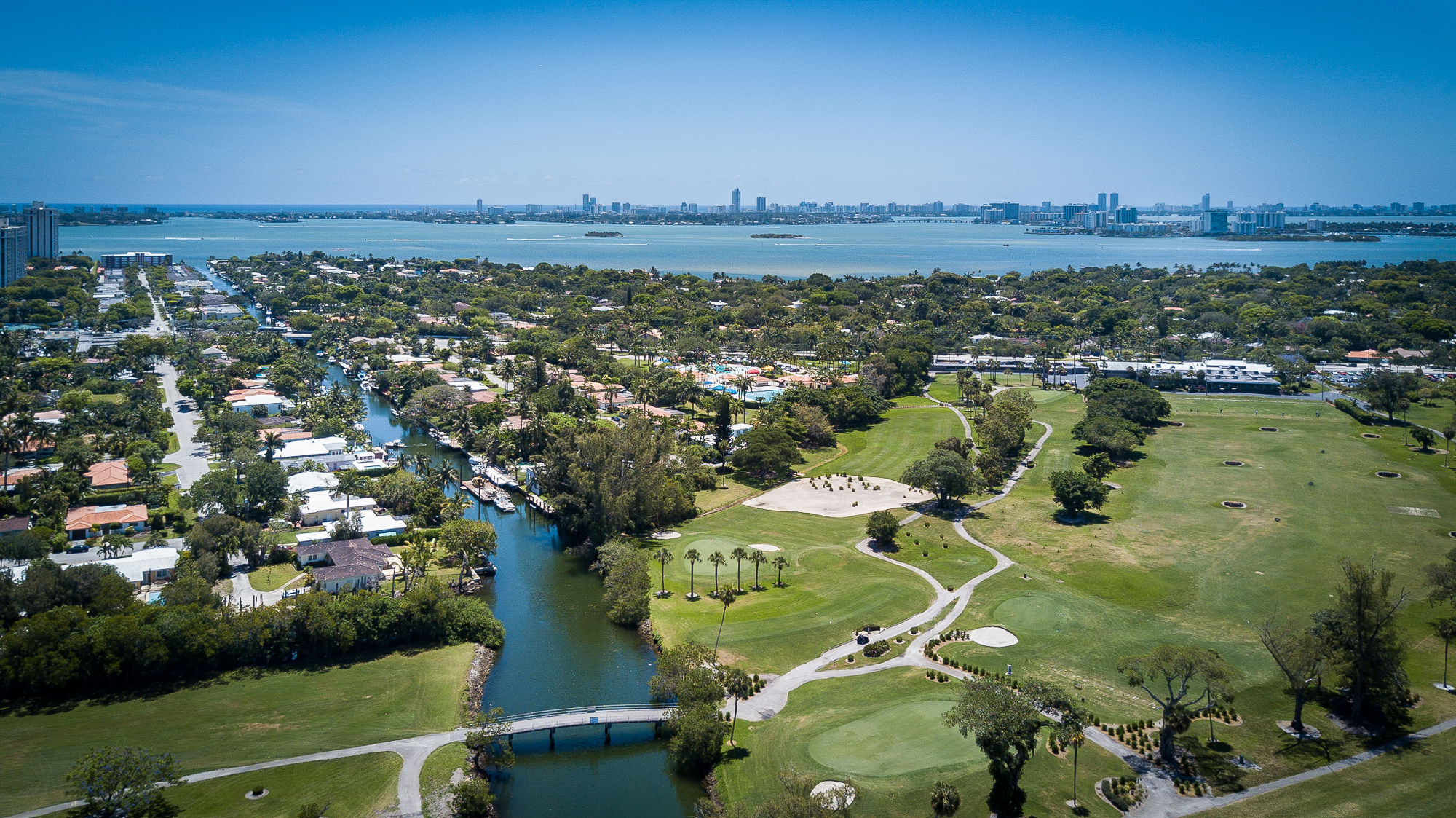
Residential lawn fertilization is estimated to be the second-largest source of household nitrogen in the United States. Nutrients like nitrogen and phosphorus from fertilizers can pollute waterways and cause environmental problems such as algae blooms, which kill wildlife, harm humans, and smother seagrass. In fact, Biscayne Bay already suffers from algae blooms and seagrass die-offs. See Miami Dade County’s report on seagrass die-offs HERE.

Despite this evidence, Miami-Dade County has yet to begin regulating fertilizer. More than 85 municipalities and 30 counties in Florida have fertilizer regulations on the books. Miami Waterkeeper took a hard look at these ordinances across the state and crafted a Southeast Florida specific model ordinance. In addition, Miami Waterkeeper pulled together supplemental materials to address common questions related to the ordinance. Specifically, our scientists on staff compiled a memorandum on the scientific basis for fertilizer regulation. There is significant scientific support for fertilizer regulation which shows that a few key provisions can contribute to measurable changes in water quality and behavior change.
These provisions include:
- No phosphorus application
- No fertilizer applied during the summer rainy season
- 50% slow release Nitrogen
- 15 ft. setback from waterways and storm drains
As a case study, Manatee County has reported decreases in nutrients as a result of their strict fertilizer ordinance.

Summer in southeast Florida is very rainy. Increased rainfall can contribute to a higher likelihood of fertilizer running off into waterways. This excess fertilizer can add extra nutrients into waterways which can degrade local water quality. A summertime ban on the application of fertilizer would reduce the likelihood of excess nutrients running off and not being absorbed by plants and soil. Strict ordinances that include a summer-time ban on fertilizer application, have shown quantitative improvements in water quality. Counties and HOAs have also reported cost savings and economic benefits since adopting fertilizer regulation.
Southeast Florida has unique rainfall, temperatures, and soil compositions. Southeast Florida soils are high in phosphorus naturally, thus, fertilizers containing phosphorus should be avoided in our region. A strict fertilizer ordinance should also contain a requirement that a fertilizer bag mix contains 0% phosphorus and 50% slow-release nitrogen for Southeast Florida application.
Southeast Florida’s waterways are exquisitely sensitive to nutrients. It is also important to follow best management practices to reflect these environmental conditions. A strict fertilizer ordinance should also require a mandatory set back from waterways – that is, a buffer space of 15ft where fertilizer cannot be applied right up to the water’s edge or near storm drains.
Interested in reading more on the scientific support for fertilizer ordinances? Read the full memo HERE and check out our educational materials on this campaign HERE.
Originally published at https://www.miamiwaterkeeper.org/scientific_support_for_fertilizer_regulation