
PFAS are forever chemicals, and they’re everywhere

You may have recently heard about PFAS, but what exactly are they?   PFAS stands for “Perfluoroalkyl and Polyfluoroalkyl Substances.”   These are manufactured chemicals used in items we use every day, like the non-stick paint on our cookware, the stain-resistant coating on our clothes and furniture, and the plastic containers we use to store […]

Back

You may have recently heard about PFAS, but what exactly are they?


PFAS stands for “Perfluoroalkyl and Polyfluoroalkyl Substances.”


These are manufactured chemicals used in items we use every day, like the non-stick paint on our cookware, the stain-resistant coating on our clothes and furniture, and the plastic containers we use to store food. These synthetic chemicals take a long time to break down, which is why they’re called forever chemicals, and scientists are finding them in the air, water, and soil worldwide – including in Miami-Dade County.


County officials are monitoring concentrations in our drinking water to ensure levels are below the EPA recommended thresholds, but we don’t know exactly how much PFAS we are exposed to on a daily basis.


Researchers are still trying to understand the harmful effects these chemicals might have on humans and are searching for solutions to remove them from our environment.


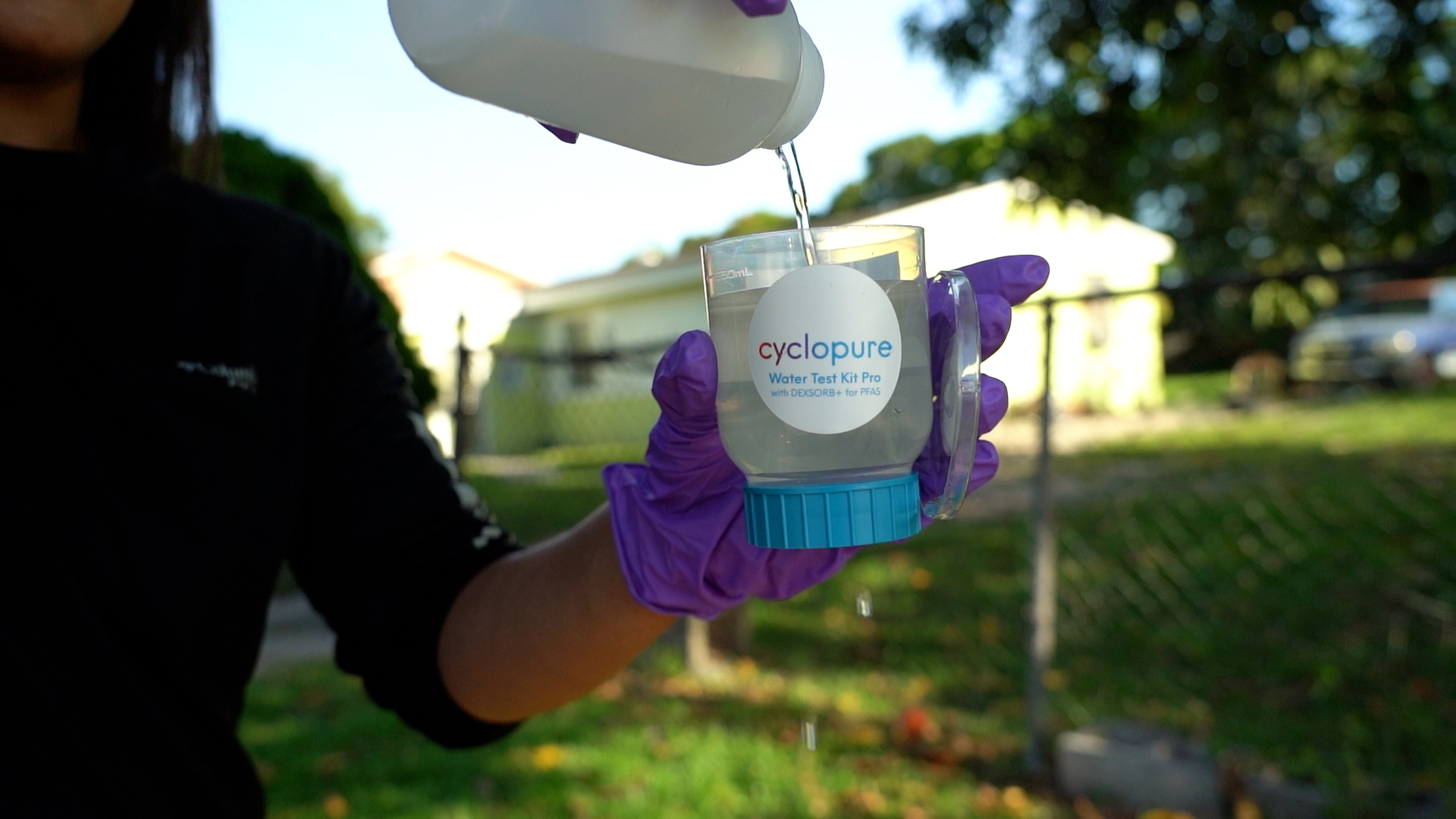
The Waterkeeper Alliance partnered with Cyclopure, a global materials science firm, to conduct a nationwide monitoring study to analyze PFAS in surface waters. Miami Waterkeeper participated in this study by collecting and submitting water samples from the Little River and from a spur canal to be analyzed for PFAS. The study will also help us increase our understanding of where the chemicals are coming from. Because we simultaneously sampled from two locations, the results will be more descriptive of a specific source than applicable to a broader distribution of PFAS; however, it will provide a starting point for further analysis.


What can you do to protect yourself?

Install PFAS-removing water filters, which can fit into at-home filter pitchers.


Reduce the amount of water-repellant, stain-resistant, and fire-resistant items in your household. See below for a list of items that could potentially contain PFAS.

Originally published at https://www.miamiwaterkeeper.org/pfas_are_forever_chemicals_and_they_re_everywhere

Get updates about our work

We respect your privacy.

Media Coverage

Stories of Accountability & Recovery

Miami Waterkeeper has been cited by local and national outlets as a trusted source on South Florida water quality, policy, and environmental justice.

The Washington Post

An Army Corps project could wipe out one of Florida’s last thriving coral reefs

March 1, 2026

The Washington Post ran an in-depth feature on the U.S. Army Corps of Engineers’ plans to dredge and widen the shipping channel at Port Everglades —…

Read more

Nautical Voice

Concerns Rise Over Port Everglades Expansion’s Impact on Coral Reefs

January 19, 2026

NV Tech Desk reported on the scientific alarm surrounding the Port Everglades expansion, highlighting a landmark study by NOAA and the Shedd Aquarium that…

Read more

The Invading Sea

Trashing our oceans: Feds plan the biggest permitted coral destruction in US history

January 8, 2026

The Invading Sea, Florida’s dedicated climate journalism outlet, published a stark account of what the Port Everglades dredge proposal actually entails: 400 underwater acres…

Read more

Support our work

We’re committed to transparency, accountability, and maximizing the impact of every dollar entrusted to us. Be part of the change and donate today!

Florida Solicitation of Contributions Registration #CH46021 A copy of the official registration and financial information for Biscayne Bay Waterkeeper (aka Miami Waterkeeper), a Florida-based nonprofit organization, may be obtained from the Division of Consumer Services by calling toll-free 1-800-HELP-FLA (435-7352) within the state or visiting www.800HELPFLA.com. Registration does not imply endorsement, approval, or recommendation by the state.