
King Tides

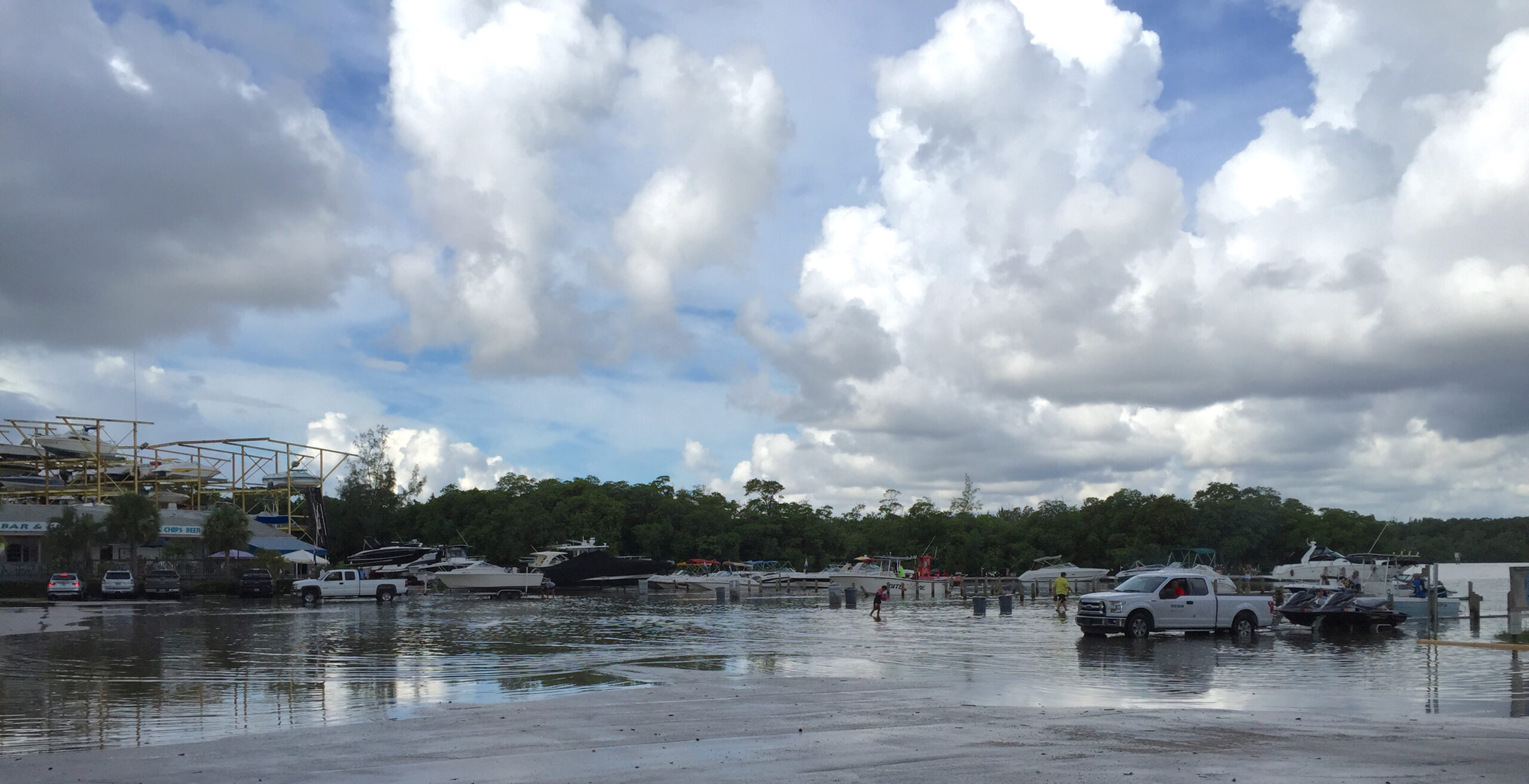
You may have heard the term “King Tide” in the news recently. But, what exactly is this tidal event? King tides are the highest high tides of the year and, according to the Environmental Protection Agency, they occur when the “orbits and alignment of the Earth, moon, and sun combine to produce the greatest tidal […]

Back

You may have heard the term “King Tide” in the news recently. But, what exactly is this tidal event? King tides are the highest high tides of the year and, according to the Environmental Protection Agency, they occur when the “orbits and alignment of the Earth, moon, and sun combine to produce the greatest tidal effects of the year.” These major tidal events occur once or twice a year and can often cause coastal flooding in low-lying areas of South Florida. 

King tide waters can also collect pollutants while on land. They may pick up chemicals like oil and gas from the street and fertilizers from lawns. When the tidewaters recede, these pollutants can be carried back into coastal waters and can lead to increased pollution. Chemical pollution can cause harm to wildlife in Biscayne Bay, and the increase of nutrients from fertilizer lost as runoff can contribute to the creation of algae blooms in the Bay.

As sea levels continue to rise, these king tide flooding events will grow worse over time because daily tidal water levels will allow the King Tides to reach further inland than ever before. This means more water from the coast could be interacting with land-based pollutants, potentially leading to increased pollution of our coastal waters.

The City of Miami released a flyer on King Tides in South Florida which outlines key impact areas for King Tides in the city. 

This year, king tides will occur on the following dates:

  • August 29 – September 3
  • September 26 – October 3
  • October 25 – October 31
  • November 24 – November 28

The flyer explains that king tides usually occur annually and predictably from September through November in Miami and it includes a map that shows highlighted areas of Miami that are susceptible to flooding. Do you notice any at-risk flooding areas that aren’t included in the map? Let us know by dropping a comment below. 

For more information on Miami Waterkeeper’s efforts to build a sea-level rise ready South Florida, click here

Originally published at https://www.miamiwaterkeeper.org/king_tides

Tags:

Get updates about our work

We respect your privacy.

Media Coverage

Stories of Accountability & Recovery

Miami Waterkeeper has been cited by local and national outlets as a trusted source on South Florida water quality, policy, and environmental justice.

The Washington Post

An Army Corps project could wipe out one of Florida’s last thriving coral reefs

March 1, 2026

The Washington Post ran an in-depth feature on the U.S. Army Corps of Engineers’ plans to dredge and widen the shipping channel at Port Everglades —…

Read more

Nautical Voice

Concerns Rise Over Port Everglades Expansion’s Impact on Coral Reefs

January 19, 2026

NV Tech Desk reported on the scientific alarm surrounding the Port Everglades expansion, highlighting a landmark study by NOAA and the Shedd Aquarium that…

Read more

The Invading Sea

Trashing our oceans: Feds plan the biggest permitted coral destruction in US history

January 8, 2026

The Invading Sea, Florida’s dedicated climate journalism outlet, published a stark account of what the Port Everglades dredge proposal actually entails: 400 underwater acres…

Read more

Support our work

We’re committed to transparency, accountability, and maximizing the impact of every dollar entrusted to us. Be part of the change and donate today!

Florida Solicitation of Contributions Registration #CH46021 A copy of the official registration and financial information for Biscayne Bay Waterkeeper (aka Miami Waterkeeper), a Florida-based nonprofit organization, may be obtained from the Division of Consumer Services by calling toll-free 1-800-HELP-FLA (435-7352) within the state or visiting www.800HELPFLA.com. Registration does not imply endorsement, approval, or recommendation by the state.