
Introducing the Biscayne Bay Science Coordination Group

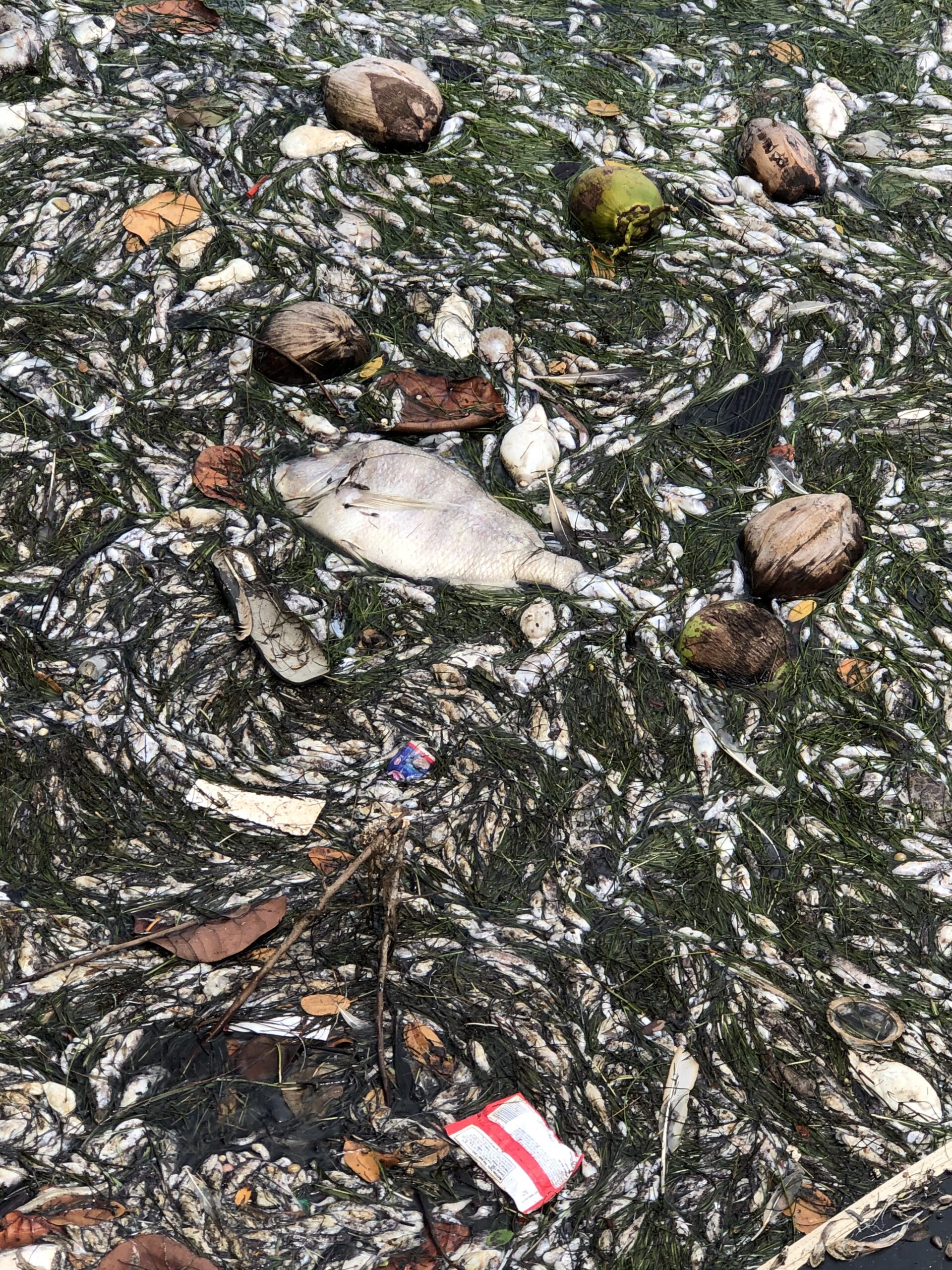
In August 2020, as a response to the fish kill in the northern Biscayne Bay, Miami Waterkeeper invited all groups involved in Biscayne Bay scientific research, including local municipalities, universities, organizations, and Federal, state, and regional agencies, to share observations and data. Meeting daily as an ad-hoc group of interested parties during the initial fish […]

Back

In August 2020, as a response to the fish kill in the northern Biscayne Bay, Miami Waterkeeper invited all groups involved in Biscayne Bay scientific research, including local municipalities, universities, organizations, and Federal, state, and regional agencies, to share observations and data. Meeting daily as an ad-hoc group of interested parties during the initial fish kill crisis, the group transitioned into weekly meetings and now meet on a monthly schedule. From this informal gathering, the Biscayne Bay Science Coordination (BBSC) group was formed. 

The BBSC has identified increased monitoring in northern Biscayne Bay as their top scientific priority. The group has identified research priorities for Biscayne Bay, including the following research goals:

  • Understand baseline conditions in northern Biscayne Bay 
  • Develop data collection on the northern Biscayne Bay fish population 
  • Develop a network of ongoing, in-situ monitoring, preferably real-time
  • Initiate full water-column sampling for environmental parameters
  • Initiate canal monitoring including chemical constituents, environmental parameters, and flow

At the one-year anniversary of the fish kill, Miami Waterkeeper is releasing a Fish Kill Report with input from BBSC group partners. The report is designed to capture observations before, during, and after the fish kill, with the intent of developing baseline knowledge to understand the causes of the 2020 fish kill and to explore possible future work and recommendations that could prevent similar events. You can read the report here

Additionally, the group reviewed lessons learned from the fish kill event and gave input to streamline community response plans in the event of a future incident. You can read the Fish Kill Response plan here. This group is open to anyone interested in participating in data-based discussions about scientific research priorities for Biscayne Bay. If you would like to join the meetings, please contact [email protected].

Originally published at https://www.miamiwaterkeeper.org/introducing_the_biscayne_bay_science_coordination_group

Get updates about our work

We respect your privacy.

Media Coverage

Stories of Accountability & Recovery

Miami Waterkeeper has been cited by local and national outlets as a trusted source on South Florida water quality, policy, and environmental justice.

The Washington Post

An Army Corps project could wipe out one of Florida’s last thriving coral reefs

March 1, 2026

The Washington Post ran an in-depth feature on the U.S. Army Corps of Engineers’ plans to dredge and widen the shipping channel at Port Everglades —…

Read more

Nautical Voice

Concerns Rise Over Port Everglades Expansion’s Impact on Coral Reefs

January 19, 2026

NV Tech Desk reported on the scientific alarm surrounding the Port Everglades expansion, highlighting a landmark study by NOAA and the Shedd Aquarium that…

Read more

The Invading Sea

Trashing our oceans: Feds plan the biggest permitted coral destruction in US history

January 8, 2026

The Invading Sea, Florida’s dedicated climate journalism outlet, published a stark account of what the Port Everglades dredge proposal actually entails: 400 underwater acres…

Read more

Support our work

We’re committed to transparency, accountability, and maximizing the impact of every dollar entrusted to us. Be part of the change and donate today!

Florida Solicitation of Contributions Registration #CH46021 A copy of the official registration and financial information for Biscayne Bay Waterkeeper (aka Miami Waterkeeper), a Florida-based nonprofit organization, may be obtained from the Division of Consumer Services by calling toll-free 1-800-HELP-FLA (435-7352) within the state or visiting www.800HELPFLA.com. Registration does not imply endorsement, approval, or recommendation by the state.