
Got Water Pollution? Report It To Us! Here’s What Happens When You Do
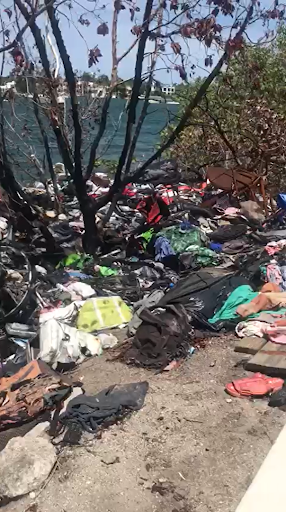
On May 11, a community member sent Miami Waterkeeper a video of a shocking accumulation of garbage along the MacArthur Causeway shoreline. We immediately informed Miami Dade County and the City of Miami and alerted the Florida Department of Transportation (FDOT) about this harmful mess.
On May 13 – just 48 hours after we notified authorities – an extensive effort to clean the Causeway’s shores took place, and all of the debris was removed.


Before: Piles of the garbage accumulating along the MacArthur Causeway. Action was taken to pick up the debris within two days of Miami Waterkeeper receiving the report and alerting officials! See the aftermath here.
How can you help curb illicit pollution?
Join our volunteer-based, community-led water patrol team! Simply take our online 1,000 Eyes on the Water program, which is available in English and Spanish. This user-friendly course teaches you how to identify and properly report different types of pollution that harm our waterways. Send us the report, and Miami Waterkeeper will do the rest – we’ll notify the right enforcement agencies to take action. This way, you become part of the solution! By keeping a watchful eye on the water – you are helping us monitor and protect the health of Biscayne Bay and its surrounding waterways.
Click HERE to take the 1,000 Eyes on the Water program and join our people-powered water patrol team!
What happens when you report pollution to Miami Waterkeeper?
When our pollution response team receives a report from a community member, they zero in on the kind of pollution and its location. Our team communicates the information to the appropriate enforcement branches, like the City, County, State, or other authorities that can address the incident, such as the U.S. Coast Guard or Florida Fish and Wildlife Conservation.
Details and timeliness are of the utmost importance to pollution reports, so please don’t delay! The quicker you report pollution after observing it, the more rapidly it can be responded to and resolved. The information needed for a successful pollution report and response is below:
- Date of Incident
- Time of Incident
- Type of Incident (Oil spill, sediment plume, fish kill, algae bloom, discharge of a substance, debris accumulation, etc.)
- Location/Waterbody (The nearest address or latitude and longitude)
- Landmarks (The closest landmarks to the incident make it easier for responders to find the pollution)
- Vessel type (If a vessel is causing pollution)
- Description of the incident
- Photos/videos of the incident
You can choose to be anonymous in your pollution reports or permit us to provide your information to the agencies we communicate with.
Once your information is sent to agencies to address the incident, we follow up to determine if action was taken and whether violations were given. Again, we stress that pollution reports must be made as close to the observation time as possible to ensure that the pollution is still present when it is responded to for further investigation.
Click HERE to report pollution and make a difference in protecting the water we all love.
Originally published at https://www.miamiwaterkeeper.org/got_water_pollution_report_it_to_us_here_s_what_happens_when_you_do