
Good fertilizing practices are essential for near-shore water quality improvement. But, there are other things you can do that can further help the environment, including Florida-friendly landscaping!

(Images Courtesy of Knoll Landscape Design & PlantsMap)
Plant Native Plants
A garden of Florida native plants is a great way to further reduce runoff from your lawn. Native plants are plants that naturally occur in South Florida, making them best adapted to the local soils, rain, temperature, and pests. Florida-friendly plants require less fertilizer, water, and overall care. Saving you time and money in the long run!
Additionally, by planting Florida-friendly trees, shrubs, and flowers in your yard, you are contributing to a healthier and more robust ecosystem. This in return attracts more native insects, birds, and animals. Improving the health of the local ecosystems in Miami-Dade and Broward county and further improving the health of our waterways.
Not an expert gardener? Don’t worry! Here are some great resources to help get you started.
Care For Your Lawn Naturally

(Image Courtesy of Ken Gillespie)
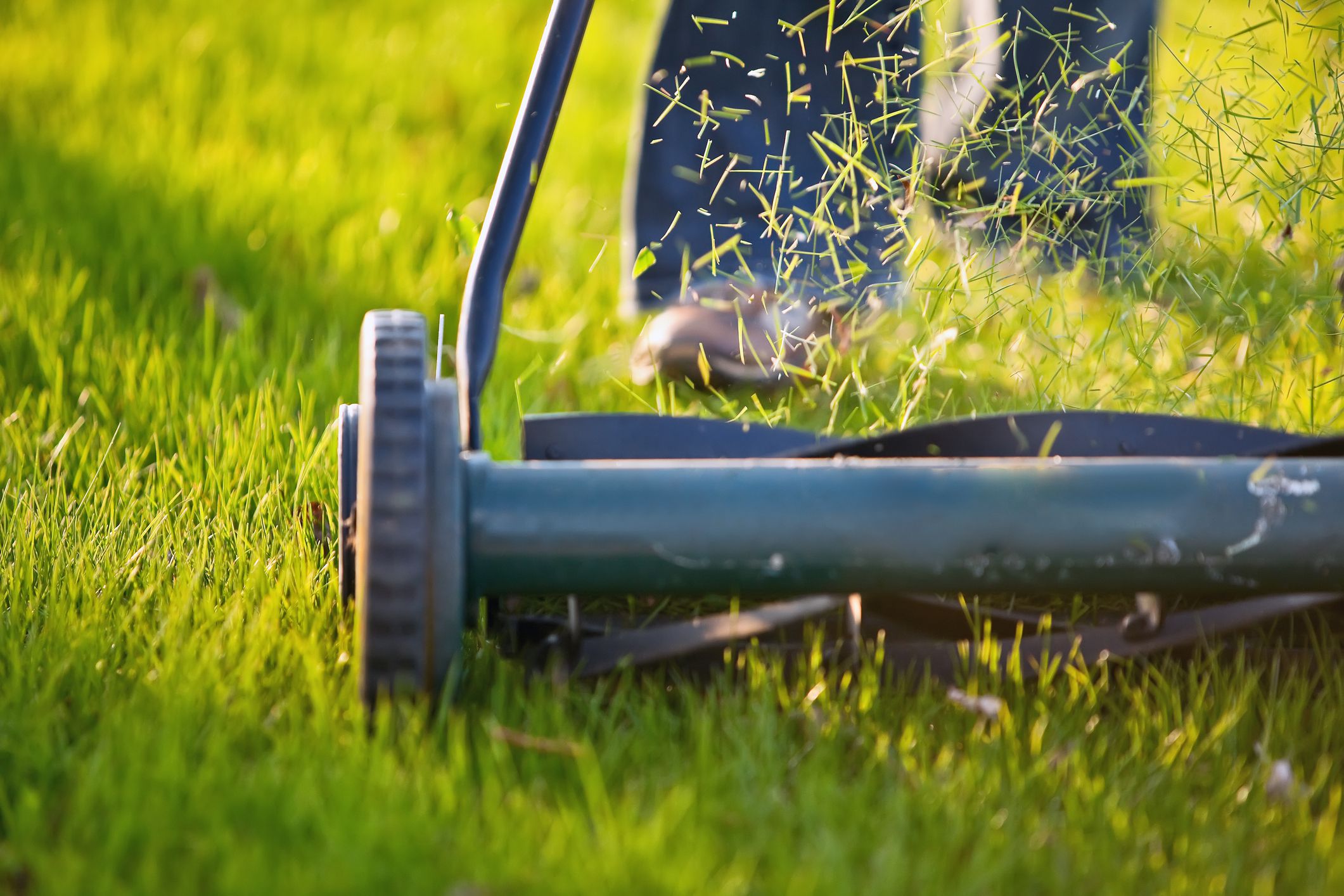
Don’t throw away your clippings! Leaving your grass clippings on your lawn is one way to naturally care for it. Contrary to popular belief, clippings will not build up, but actually, decompose and release nutrients and organic matter back into the soil. This will save you time by not having to bag up your clippings. It will also save you the hassle of fertilizing your lawn as nutrients from clippings can serve as a natural fertilizer.
Practice Water Conservation
Watering your lawn and landscape too much can be just as harmful as watering too little, and not to mention wasteful. Here are some tips on how to save water, which will save you money and prevent runoff into our waterways.

Install A Rain Garden

(Images Courtesy of UF/IFAS & Hillsborough County)
Rain gardens are a great way to return water to our aquifer, reduce erosion, and capture stormwater runoff before it enters nearby waterways! A rain garden is normally made of native plants and is located in a depression in the landscape where water collects and puddles.
When it rains and water begins to collect, the water flows through the depression and the plants help absorb the stormwater, including excess nutrients.
This is a cost-effective and beautiful way to reduce runoff from your property and help prevent poor water quality in our waterways.
Here are some great resources to help get you started:
Originally published at https://www.miamiwaterkeeper.org/florida_friendly_landscape_options