
EPA “Discretionary Enforcement” During COVID-19

On March 26, 2020, the EPA issued a memorandum announcing that it is temporarily suspending enforcement action due to the COVID-19 pandemic. Where the EPA agrees that COVID-19 was the cause of noncompliance, it “does not expect to seek penalties for violations of routine compliance monitoring, integrity testing, sampling, laboratory analysis, training, and reporting or […]

Back

On March 26, 2020, the EPA issued a memorandum announcing that it is temporarily suspending enforcement action due to the COVID-19 pandemic. Where the EPA agrees that COVID-19 was the cause of noncompliance, it “does not expect to seek penalties for violations of routine compliance monitoring, integrity testing, sampling, laboratory analysis, training, and reporting or certification obligations.” Additionally, the EPA suggests that it will be less likely to carry out enforcement action if other types of violations, like exceedances of effluent limits, were caused by the pandemic. 

(Source: Earth Justice)

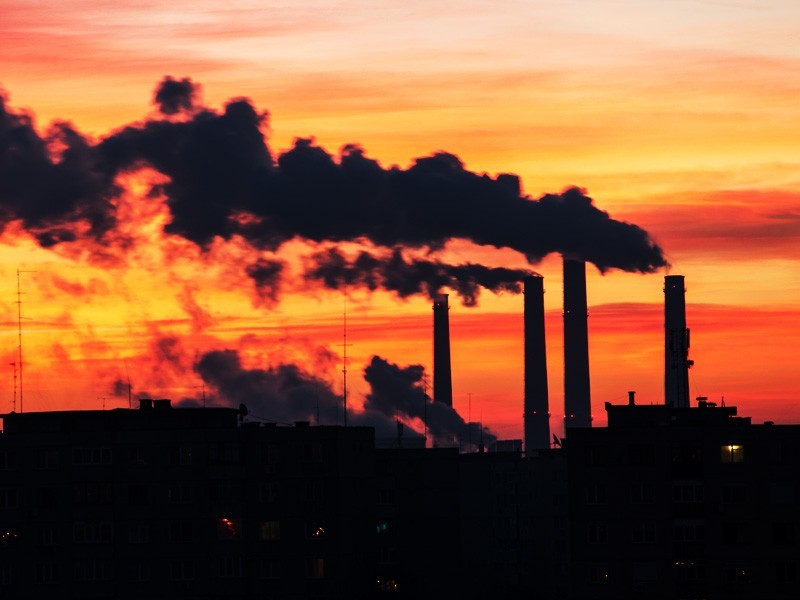
With its new policy, the EPA can choose not to hold polluters legally responsible under our environmental laws. Further, the EPA has not set an end date for this discretionary enforcement policy, which may allow industries to violate federal environmental laws without fear of penalty. 

What isn’t relaxed under this policy is the ability of citizens, and organizations like Miami Waterkeeper, to enforce our environmental laws by way of citizen suit provisions. 


Waterkeepers across the nation are contacting state environmental agencies to ensure that they maintain enforcement practices for environmental laws, especially critical protections for clean water under the Clean Water Act.

EPA is giving polluters a “get out of jail free” card for pollution violations that will make people sicker. The effects of this temporary measure may be felt for decades: Once polluted, our water, air, and land can take generations to heal.” – Daniel E. Estrin, General Counsel and Advocacy Director at Waterkeeper Alliance.


Read EPA’s full memorandum HERE.

Originally published at https://www.miamiwaterkeeper.org/epa_discretionary_enforcement_during_covid_19

Tags:

Get updates about our work

We respect your privacy.

Media Coverage

Stories of Accountability & Recovery

Miami Waterkeeper has been cited by local and national outlets as a trusted source on South Florida water quality, policy, and environmental justice.

The Washington Post

An Army Corps project could wipe out one of Florida’s last thriving coral reefs

March 1, 2026

The Washington Post ran an in-depth feature on the U.S. Army Corps of Engineers’ plans to dredge and widen the shipping channel at Port Everglades —…

Read more

Nautical Voice

Concerns Rise Over Port Everglades Expansion’s Impact on Coral Reefs

January 19, 2026

NV Tech Desk reported on the scientific alarm surrounding the Port Everglades expansion, highlighting a landmark study by NOAA and the Shedd Aquarium that…

Read more

The Invading Sea

Trashing our oceans: Feds plan the biggest permitted coral destruction in US history

January 8, 2026

The Invading Sea, Florida’s dedicated climate journalism outlet, published a stark account of what the Port Everglades dredge proposal actually entails: 400 underwater acres…

Read more

Support our work

We’re committed to transparency, accountability, and maximizing the impact of every dollar entrusted to us. Be part of the change and donate today!

Florida Solicitation of Contributions Registration #CH46021 A copy of the official registration and financial information for Biscayne Bay Waterkeeper (aka Miami Waterkeeper), a Florida-based nonprofit organization, may be obtained from the Division of Consumer Services by calling toll-free 1-800-HELP-FLA (435-7352) within the state or visiting www.800HELPFLA.com. Registration does not imply endorsement, approval, or recommendation by the state.