
Miami Waterkeeper Launches Fort Lauderdale Water Monitoring Program

We are excited to announce an expansion of our water quality monitoring program in partnership with the City of Fort Lauderdale. Beginning in January 2021, our team will sample ten new sites within the City of Fort Lauderdale on a weekly basis for the fecal indicator bacteria (FIB) enterococci. The results of these samples will […]

Back

We are excited to announce an expansion of our water quality monitoring program in partnership with the City of Fort Lauderdale. Beginning in January 2021, our team will sample ten new sites within the City of Fort Lauderdale on a weekly basis for the fecal indicator bacteria (FIB) enterococci. The results of these samples will be posted on our free Swim Guide app which lets the public know about water quality conditions in their local waterways.

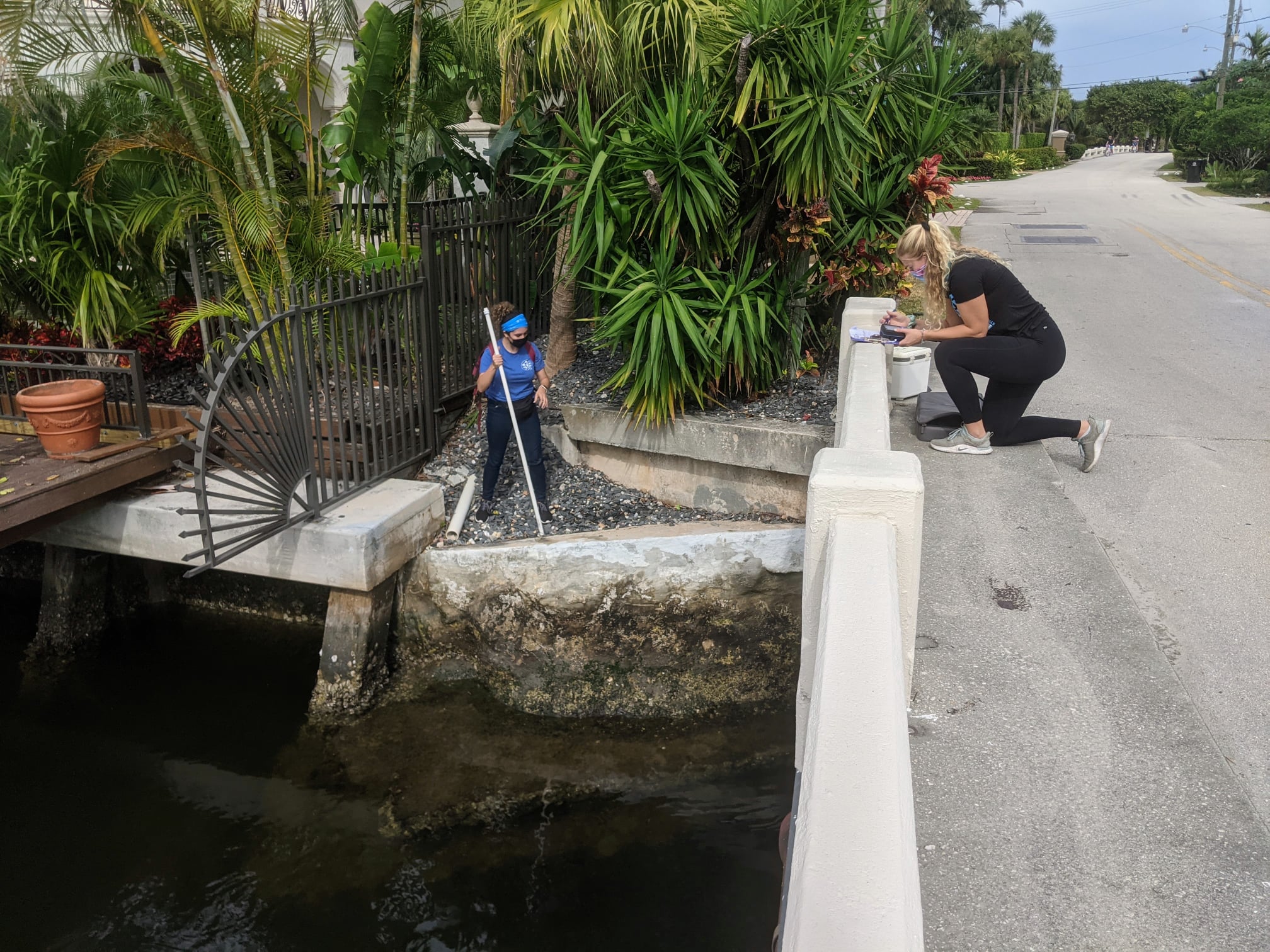
Miami Waterkeeper’s Environmental Field Technician, Samantha Morejon, and Water Quality Technician, Sierra Jarriel, performing routine water quality sampling (Credit: City of Fort Lauderdale).


If a site has high bacteria levels, we will re-run our site’s samples again until the water quality conditions improve. Thanks to our new water quality monitoring equipment, we will also collect additional data to help us understand the condition of Fort Lauderdale’s water. Parameters such as water temperature, salinity, turbidity (cloudiness), dissolved oxygen, and chlorophyll a (an indicator of algae) will be sampled every week to help paint a better picture of the City’s water quality.
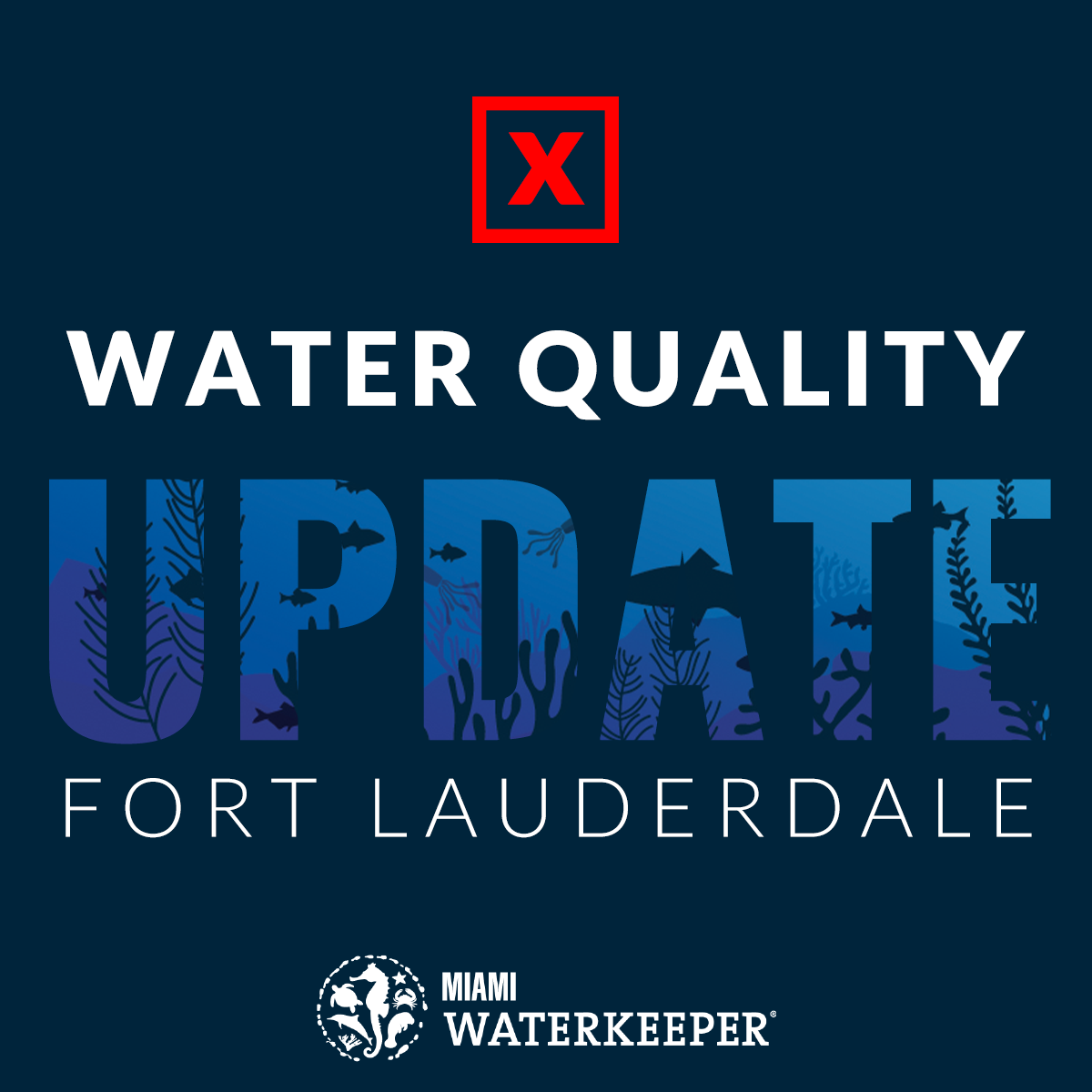
Similar to what Miami Waterkeeper will post for Miami-Dade sites, if a site has failed in Fort Lauderdale, we will share this image on our social platforms letting the public know that we detected high levels of bacteria in the water and will be resampling.


Regular water quality monitoring is important because it helps us diagnose and understand water quality problems as early as we can. Time is of the essence when we’re dealing with an issue that could affect the health of people and marine life.


Visit Swim Guide HERE to view the results from our weekly water monitoring in Fort Lauderdale before enjoying the water!


Read more about our new water quality sampling equipment HERE.

Originally published at https://www.miamiwaterkeeper.org/miami_waterkeeper_launches_fort_lauderdale_water_monitoring_program

Tags:

Get updates about our work

We respect your privacy.

Media Coverage

Stories of Accountability & Recovery

Miami Waterkeeper has been cited by local and national outlets as a trusted source on South Florida water quality, policy, and environmental justice.

The Washington Post

An Army Corps project could wipe out one of Florida’s last thriving coral reefs

March 1, 2026

The Washington Post ran an in-depth feature on the U.S. Army Corps of Engineers’ plans to dredge and widen the shipping channel at Port Everglades —…

Read more

Nautical Voice

Concerns Rise Over Port Everglades Expansion’s Impact on Coral Reefs

January 19, 2026

NV Tech Desk reported on the scientific alarm surrounding the Port Everglades expansion, highlighting a landmark study by NOAA and the Shedd Aquarium that…

Read more

The Invading Sea

Trashing our oceans: Feds plan the biggest permitted coral destruction in US history

January 8, 2026

The Invading Sea, Florida’s dedicated climate journalism outlet, published a stark account of what the Port Everglades dredge proposal actually entails: 400 underwater acres…

Read more

Support our work

We’re committed to transparency, accountability, and maximizing the impact of every dollar entrusted to us. Be part of the change and donate today!

Florida Solicitation of Contributions Registration #CH46021 A copy of the official registration and financial information for Biscayne Bay Waterkeeper (aka Miami Waterkeeper), a Florida-based nonprofit organization, may be obtained from the Division of Consumer Services by calling toll-free 1-800-HELP-FLA (435-7352) within the state or visiting www.800HELPFLA.com. Registration does not imply endorsement, approval, or recommendation by the state.