
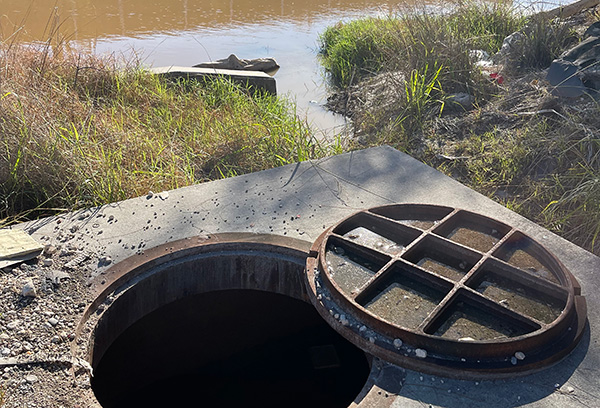
Stormwater Pollution

Promoting smarter stormwater management policies and practices  to limit runoff and improve water quality in urban waterways.

Stormwater runoff is a serious issue that requires our attention and action. By understanding the effects of runoff and taking steps to reduce its impact, we can help to protect the health of our waterways, wildlife, and coastal communities.

What is Stormwater?

Stormwater is any water flowing over a paved surface, like a sidewalk or roadway. It comes from precipitation (i.e. rain), irrigation, or other activities that can lead to water flowing over the land and not being absorbed by the ground.

How Does Stormwater Impact Biscayne Bay?

As the rain beats down on our streets, sidewalks, and roofs, it carries with it more than just water. In fact, stormwater runoff is a major source of pollution in our waters that poses significant risks to our environment, public health, and local ecosystems. Stormwater runoff occurs when water flows over hard surfaces, such as concrete and asphalt, and into storm drains, canals, rivers, and other bodies of water. This runoff carries with it pollutants – such as oil, chemicals, litter, and sediment – causing harm to aquatic life, reducing water quality, and compromising the health of our waterways.

How can you help?

As members of the community, each of us can also take many simple steps to minimize the impacts of stormwater. These include:

  • Reduce the use of chemicals, such as fertilizers and pesticides, around our homes and businesses.
  • Install rain barrels or rain gardens to capture and reuse runoff (and take Miami-Dade County’s free rain barrel workshop to receive a rebate).
  • Plant native vegetation, which requires less watering and provides better filtration of pollutants.

Participate in community clean-up events to reduce litter and other pollutants.

5_-_Stormwater_Management.png

Share this campaign

Healthy coral reefs protect our shores, support marine life, and keep our waters thriving.

Explore Related Work

PUBLISHED WORK

in the press

News, science, and stories from the front lines of South Florida’s water.

View all

NOAA Says Port Miami Dredge Disaster For Reef

NOAA Says Port Miami Dredge Disaster For Reef

In a project all but finished, the Army Corps of Engineers has dredged the channels at and leading to Port Miami for nearly two years, but another U.S. government agency says the Corps wreaked environmental havoc in the process. Read full article here.

Read more
PortMiami dredge damages more coral than feds expected

PortMiami dredge damages more coral than feds expected

Jenny Staletovich for the Miami Herald writes: Deepening Port Miami to make way for bigger ships has caused far more damage to rare coral at the bottom of Biscayne Bay than federal wildlife managers originally calculated. Read full article here.

Read more
Yuck! Your Favorite Swim Spot Is a Lot Grosser Than You Realize

Yuck! Your Favorite Swim Spot Is a Lot Grosser Than You Realize

Water is supposed to purify: Taking a shower, washing your face, and staying properly hydrated promote good hygiene and health. But sometimes water is the one that gets dirty. That’s why since 1972, when The Clean Water Act was passed, the U.S. Environmental Protection Agency (EPA) has regulated both water pollution and quality standards in an attempt to keep

Read more

Support our work

We’re committed to transparency, accountability, and maximizing the impact of every dollar entrusted to us. Be part of the change and donate today!
Florida Solicitation of Contributions Registration #CH46021 A copy of the official registration and financial information for Biscayne Bay Waterkeeper (aka Miami Waterkeeper), a Florida-based nonprofit organization, may be obtained from the Division of Consumer Services by calling toll-free 1-800-HELP-FLA (435-7352) within the state or visiting www.800HELPFLA.com. Registration does not imply endorsement, approval, or recommendation by the state.

Social Feed

@miamiwaterkeeper