
Marine Debris

Removing trash and debris from waterways, beaches, and canals to protect wildlife, recreation, and water quality.

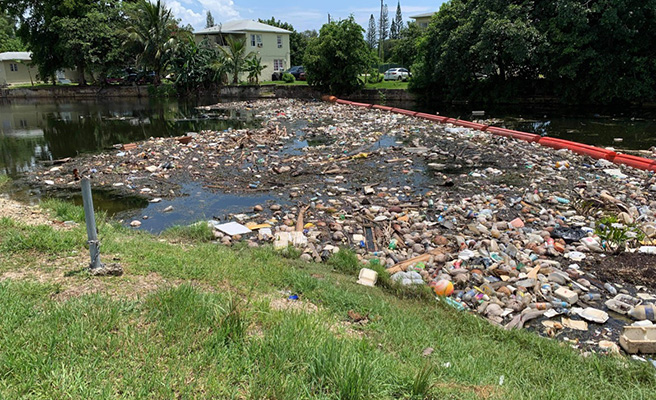
Every day, consumer plastics, metals, rubber, paper, textiles, derelict fishing gear, and other lost or discarded items find their way into our oceans, making marine debris a pervasive pollution problem affecting waterways, wildlife, environments, economies, and public health. Sources of marine debris are diverse, spanning from everyday consumer items to abandoned vessels. Most of this debris originates from littering, dumping, boating, and shoreline recreational activities, posing a complex and pervasive threat to biodiversity. This issue is particularly impactful in the delicate ecosystem of Biscayne Bay.

What are the Impacts of Marine Debris?

The consequences of marine debris are far-reaching, affecting marine ecosystems, endangering wildlife through ingestion and entanglement, degrading habitats, and impacting public health. 

  • Ingestion: Animals often mistake debris for food, which can cause internal injuries, and blockages, and lead to malnutrition.
  • Entanglement and Ghostfishing: Debris can entangle animals, and abandoned gear can continue to trap and kill marine organisms.
  • Hazard to Navigation: Abandoned vessels or gear can lead to accidents, damage boats, and endanger human lives.
  • Habitat Degradation: Debris can physically damage our habitats and affect biodiversity.
  • Non-Native Species Introduction: Debris can serve as a vehicle for non-native species to new regions, which can disrupt local ecosystems and outcompete native species.
  • Economic Cost: Trash comes with high costs, both in terms of cleaning up and in lost economic benefits from tourism and recreation.

Preemption

Complicating matters further are the State’s preemption policies regarding environmental matters. Some policies that are preempted at the state level are:

  • Plastic bag bans
  • Polystyrene (styrofoam) bans
  • Restrictions on non-“reef-safe” sunscreen

Understanding and addressing these preemptions is crucial to effective environmental protection.

What can you do?

  • Volunteer at Miami Waterkeeper’s community clean-up and habitat restoration events.
  • Make small lifestyle changes to help prevent and reduce marine debris. Use reusable bags when shopping, recycle more regularly, clean up trash, and use a reusable water bottle.
  • Take our 1,000 Eyes on the Water course to learn how to observe, document, and report pollution, such as derelict vessels.
  • Advocate for sustainable solutions.
  • Learn more about marine debris, its impacts, and what you can do to protect Biscayne Bay by taking the short course.

Share this campaign

Healthy coral reefs protect our shores, support marine life, and keep our waters thriving.

Explore Related Work

PUBLISHED WORK

in the press

News, science, and stories from the front lines of South Florida’s water.

View all

NOAA Says Port Miami Dredge Disaster For Reef

NOAA Says Port Miami Dredge Disaster For Reef

In a project all but finished, the Army Corps of Engineers has dredged the channels at and leading to Port Miami for nearly two years, but another U.S. government agency says the Corps wreaked environmental havoc in the process. Read full article here.

Read more
PortMiami dredge damages more coral than feds expected

PortMiami dredge damages more coral than feds expected

Jenny Staletovich for the Miami Herald writes: Deepening Port Miami to make way for bigger ships has caused far more damage to rare coral at the bottom of Biscayne Bay than federal wildlife managers originally calculated. Read full article here.

Read more
Yuck! Your Favorite Swim Spot Is a Lot Grosser Than You Realize

Yuck! Your Favorite Swim Spot Is a Lot Grosser Than You Realize

Water is supposed to purify: Taking a shower, washing your face, and staying properly hydrated promote good hygiene and health. But sometimes water is the one that gets dirty. That’s why since 1972, when The Clean Water Act was passed, the U.S. Environmental Protection Agency (EPA) has regulated both water pollution and quality standards in an attempt to keep

Read more

Support our work

We’re committed to transparency, accountability, and maximizing the impact of every dollar entrusted to us. Be part of the change and donate today!
Florida Solicitation of Contributions Registration #CH46021 A copy of the official registration and financial information for Biscayne Bay Waterkeeper (aka Miami Waterkeeper), a Florida-based nonprofit organization, may be obtained from the Division of Consumer Services by calling toll-free 1-800-HELP-FLA (435-7352) within the state or visiting www.800HELPFLA.com. Registration does not imply endorsement, approval, or recommendation by the state.

Social Feed

@miamiwaterkeeper