
Our Latest
Original analysis, event updates, and perspectives from our team — written for public audiences and available to republish with attribution.

Blog categories
Sea Level Rise
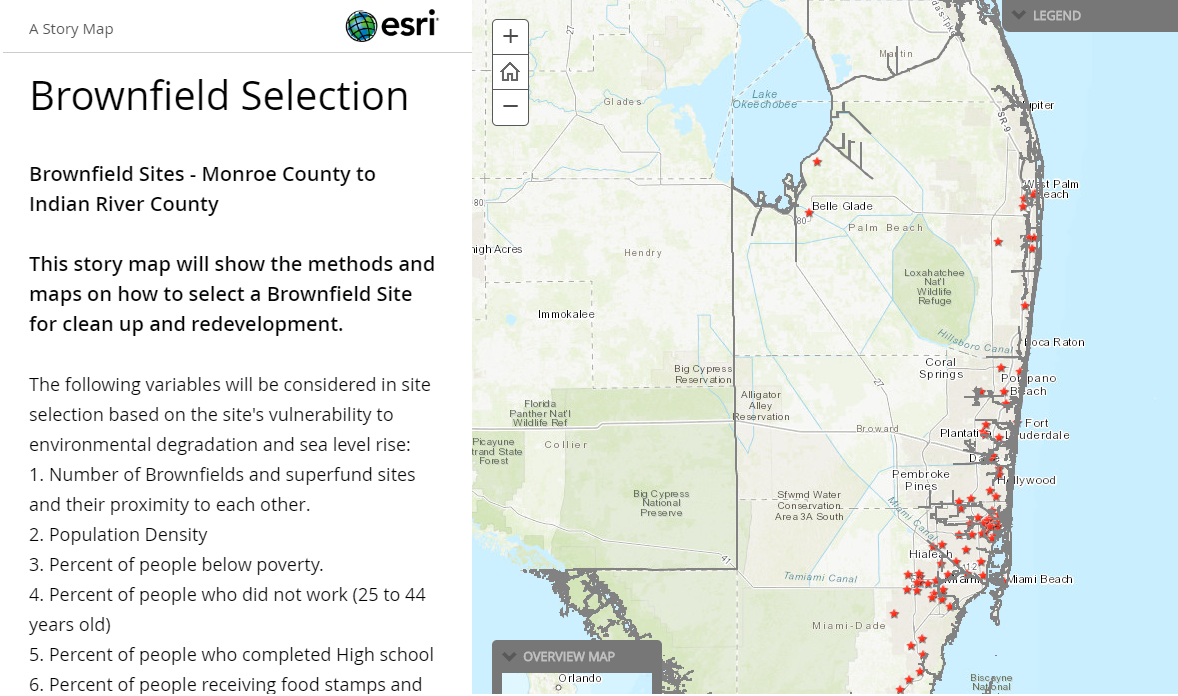
Brownfield Assessment Grant to Address Flooding in South Florida
June 18, 2019
The Environmental Protection Agency’s (EPA) Brownfields Program empowers states, communities, and other stakeholders to work together to prevent, assess, safely clean up, and sustainably reuse brownfields. A brownfield site is a property through which the expansion, redevelopment, or reuse may be complicated by the presence or potential presence of a hazardous substance, pollutant, or contaminant.
Read article
Sea Level Rise
The Miami Foundation Recognizes Miami Waterkeeper!
June 12, 2019
We have some exciting news! Miami Waterkeeper has been selected to receive a Community Grant from the Miami Foundation in the Resiliency category! The Miami Foundation’s community grants invest more than $1.3 million in Miami-Dade non-profits. This year, 71 non-profits are sharing the $1.3 million. Community grants provide support to Greater Miami organizations whose initiatives
Read article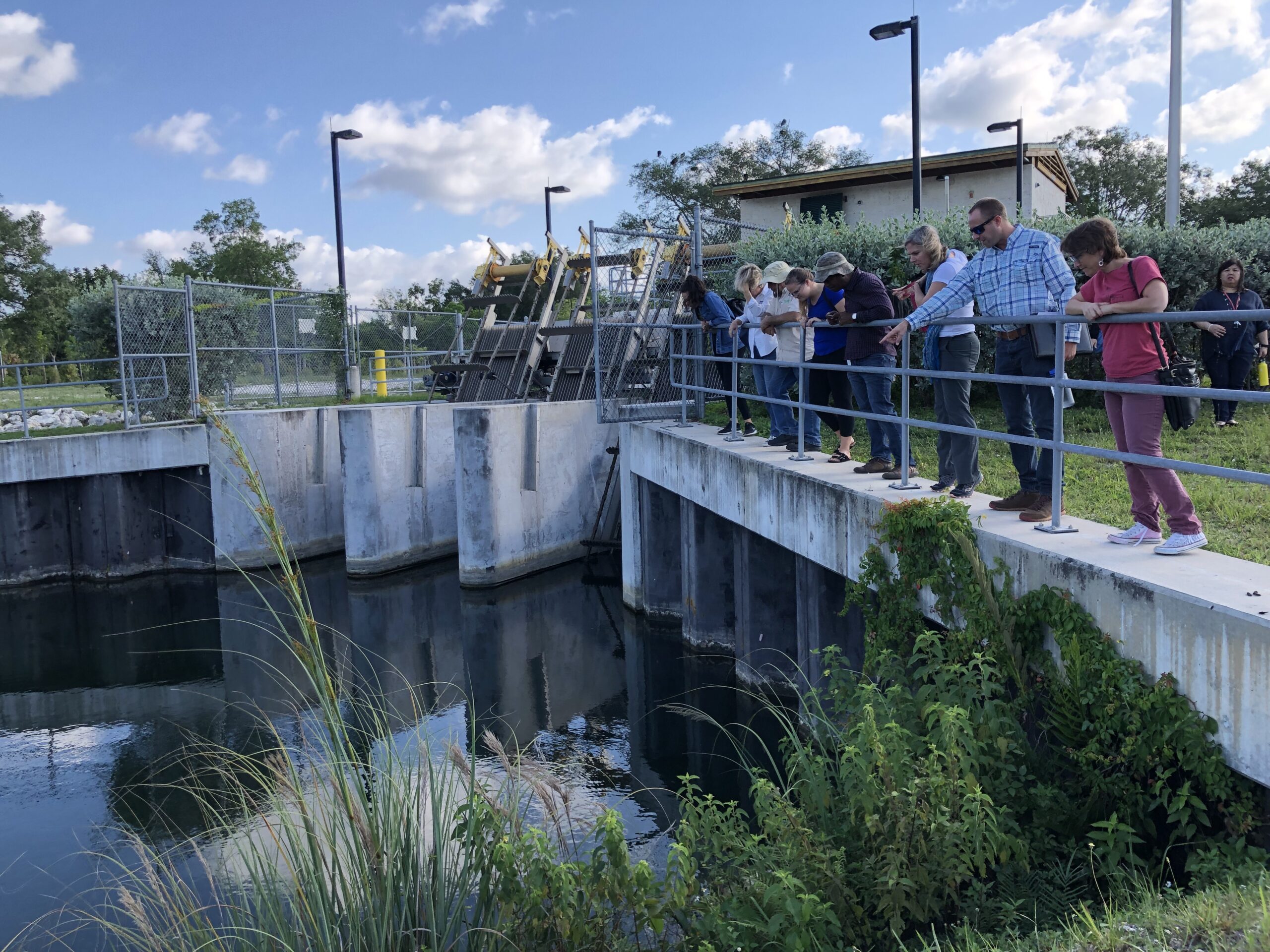
Sea Level Rise
Coastal Wetlands Restoration & Wastewater Reuse
June 7, 2019
Rehydrated coastal wetlands in Biscayne Bay provide important ecosystem services and could be key in local climate change resiliency measures. To explore this subject farther, Miami Waterkeeper recently hosted a program at Deering Estate on the economic valuation of ecosystem restoration in order to discuss the benefits to restoring wetlands and options for wastewater reuse. The day
Read article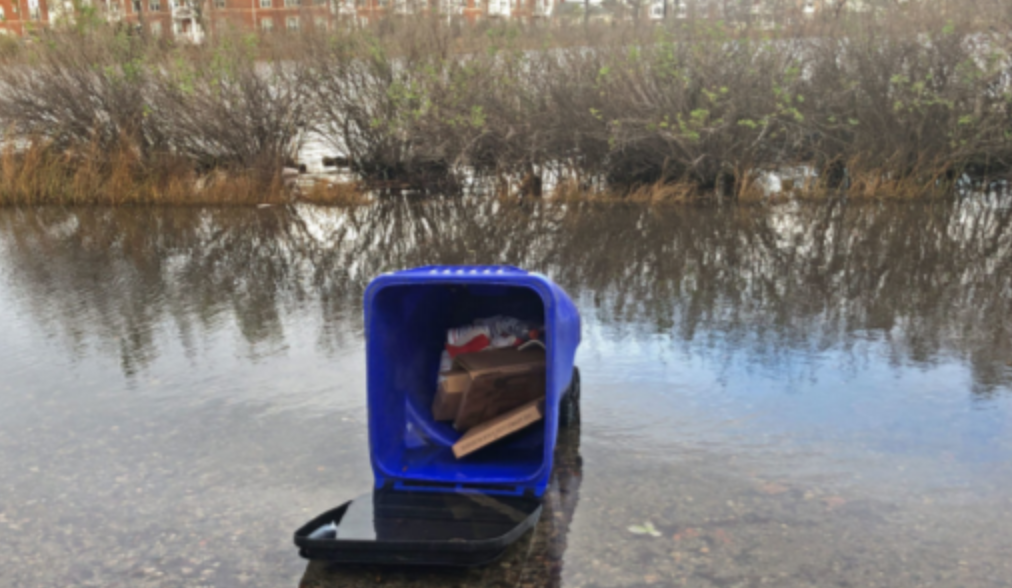
Sea Level Rise
Worsening High Tide Flooding Washes Pollution into Water Bodies
April 19, 2019
As sea levels rise, high-tide flooding has worsened in many coastal cities on the east coast like Miami. As these flood waters recede, they carry excess toxic pollutants and nutrients into rivers, bays, lakes, and coastal waters. According to NOAA, from the year 2000 to 2017, high tide flooding frequency along the southeastern coast of
Read article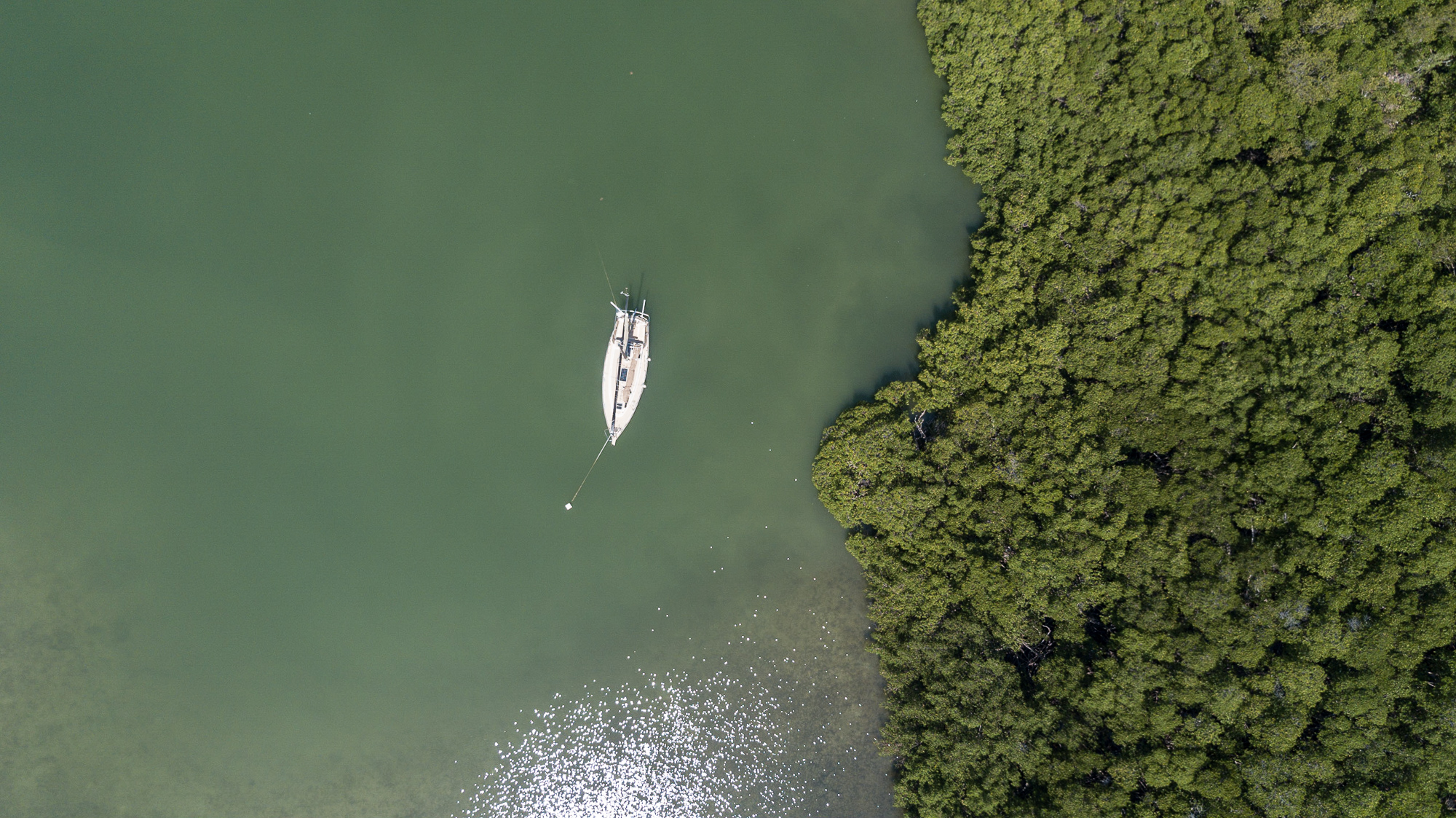
Sea Level Rise
Miami Waterkeeper Weighs in on Army Corps Resiliency Projects
January 9, 2019
Miami Waterkeeper submitted comments to the U.S. Army Corps of Engineers regarding the National Environmental Policy Act (NEPA) analysis and Miami-Dade Back Bay Coastal Storm Risk Management Feasibility Study that the Corps will carry out. The study will examine how to reduce risk from coastal storms and flooding for the Back Bay portion of Biscayne
Read article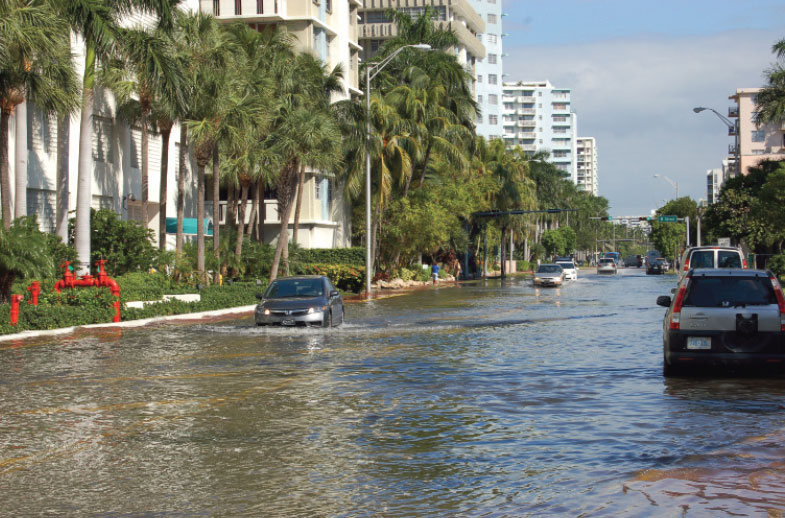
Sea Level Rise
How the Regional Climate Action Plan Impacts Water
March 1, 2018
One of the successes of the Climate Compact is the development of a unified sea-level rise projection that will avoid more scenarios like this in the future. (Image Credit: Miami Today News) In the face of climate change, what steps are the local governments of South Florida taking to react and protect the people and
Read article
Sea Level Rise
Septic Tanks and Sea Level Rise
February 18, 2018
Sea level rise is already having measurable impacts on septic tanks in Miami Dade County. A 2018 Miami Dade County report on septic vulnerability detailed that currently, more than half of the 100,000+ septic tanks in Miami Dade County are already not functioning for part of the year. The report explained that by 2040, 64%
Read article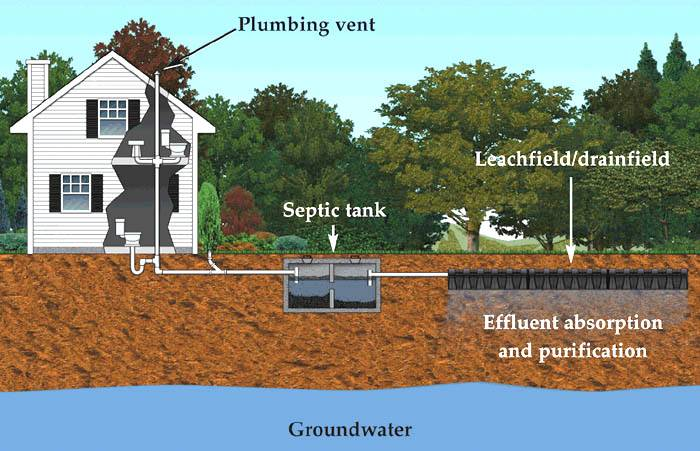
Sea Level Rise
Septic Skeptics: What’s Really Going on in the Tank in your Backyard
February 13, 2018
Septic tanks in South Florida are a source of land-based pollution, adding excess nutrients to our waterways when not properly cared for. How Septic Systems Work Septic systems are used in approximately one-third of all homes in Florida. This serves as an on-site wastewater treatment system where access to sewers is not available [1].
Read articleSupport our work
Select an amount for your donation
We’re committed to transparency, accountability, and maximizing the impact
of every dollar entrusted to us. Be part of
the change and donate today!
Florida Solicitation of Contributions Registration #CH46021 A copy of the official registration and financial information for Biscayne Bay Waterkeeper (aka Miami Waterkeeper), a Florida-based nonprofit organization, may be obtained from the Division of Consumer Services by calling toll-free 1-800-HELP-FLA (435-7352) within the state or visiting www.800HELPFLA.com. Registration does not imply endorsement, approval, or recommendation by the state.

Follow us for daily updates
@miamiwaterkeeper